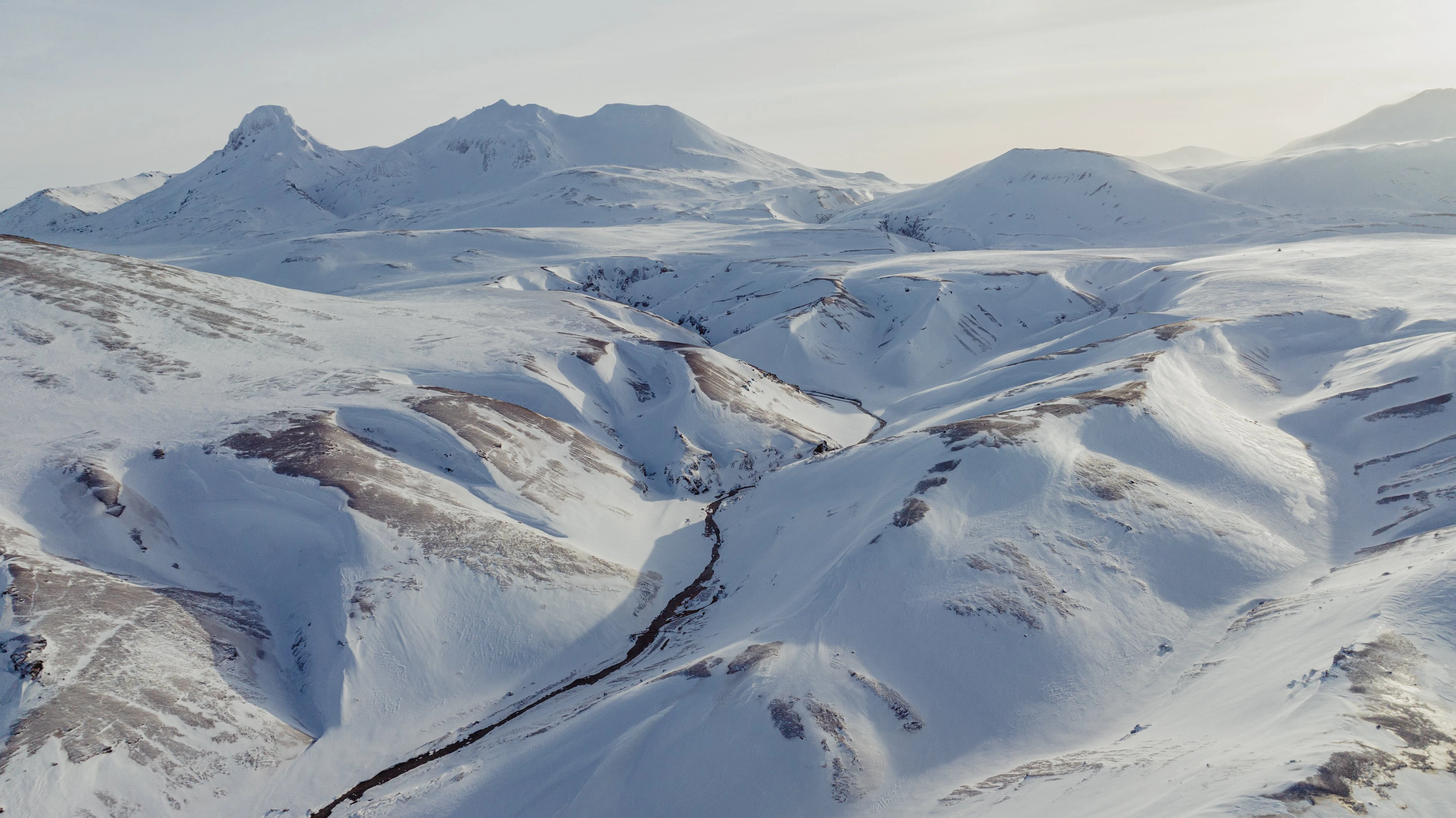
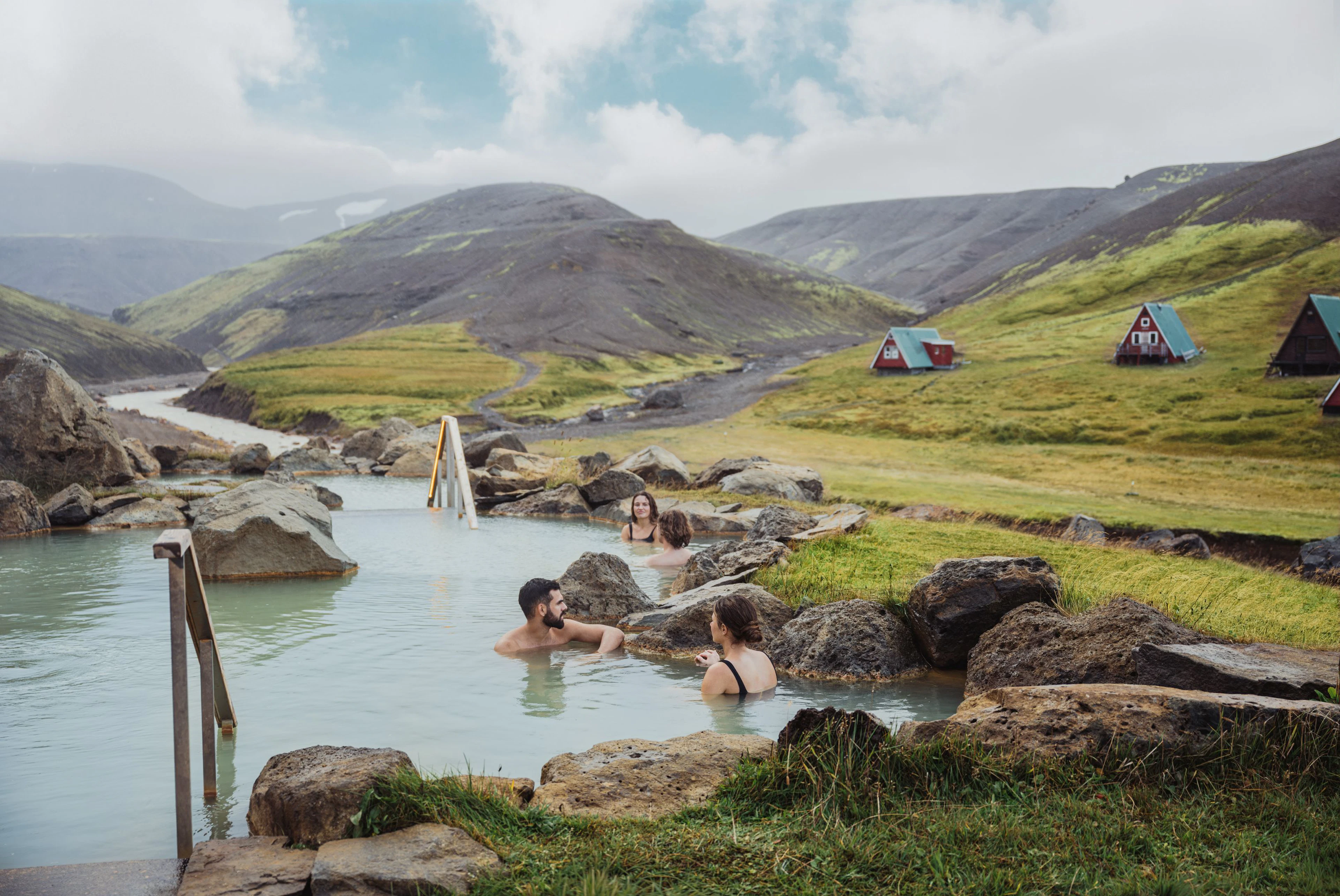
Tucked away in the heart of the Icelandic highlands, the Highland Baths offer a rare blend of raw nature and refined relaxation. It’s a place where the elements meet—fire beneath the earth, ice on the ridgelines, and water gently steaming into the sky.
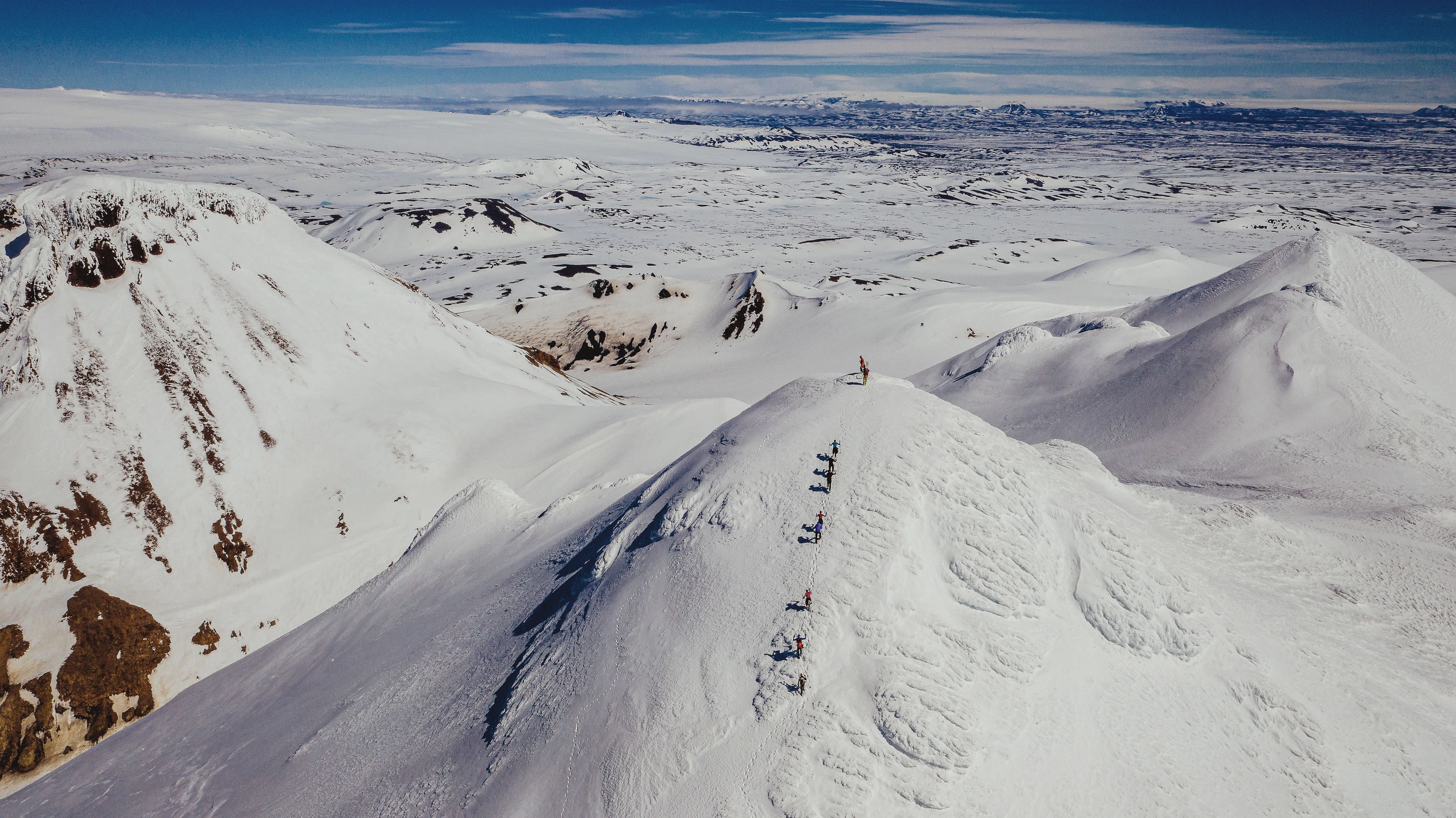
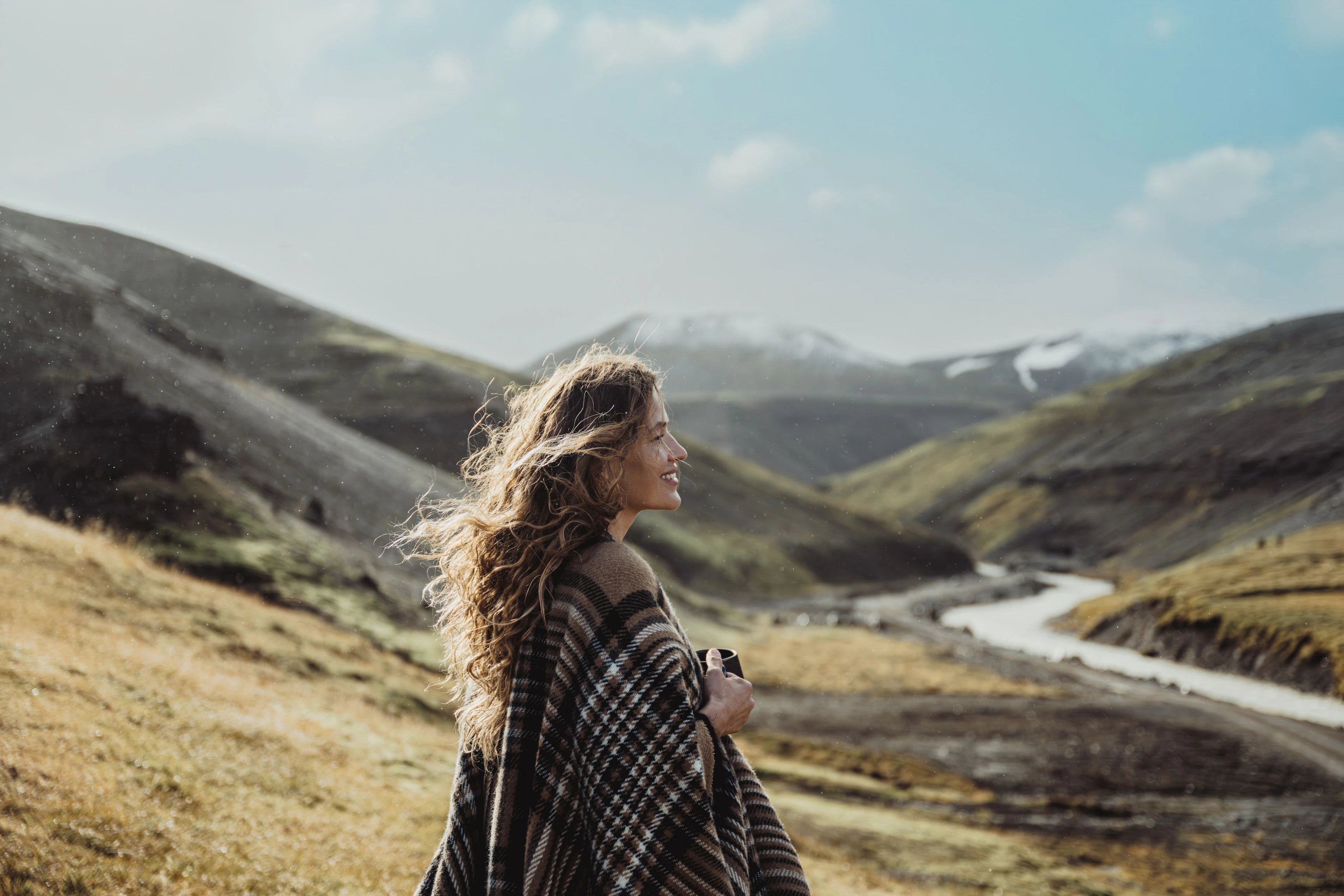
The Highland Baths reflect both Iceland’s deep-rooted bathing traditions and a modern expression of wellness. Whether you've just returned from a mountain hike or ski tour, or you're simply seeking serenity, you can relax in warm, geothermal waters as snowy peaks and crisp mountain air surround you.
Icelandic bathing culture
Iceland sits at the meeting point of the North American and Eurasian tectonic plates, creating a geothermal “hot spot” where naturally warm water is abundant and accessible across much of the country.
Bathing culture in Iceland dates back to the settlement era (9th–10th century), when natural hot springs were treasured for their health benefits and as gathering places. The settlement-era pools were natural hot springs, without any man-made infrastructure.
In the 19th century, there was a renewed focus on the traditions of Iceland’s forefathers, particularly their swimming skills. As a maritime nation where swimming was a vital skill, swimming lessons became more common in Iceland and by the 20th century, the development of modern infrastructure and district heating brought heated pools to communities across the country. Public swimming pools became an essential part of daily life, a place for exercise, relaxation, and social connection.
Icelanders do however distinguish between swimming, an activity driven by exercise and safety, and bathing, which is more about social connection, comfort, and relaxation.
Today, Icelandic bathing culture blends ancient tradition with modern wellness. Pools, baths, lagoons, and spas all over Iceland have gained popularity, where geothermal energy and nature are at the forefront and architecture and experience design play a key role. These baths have become signature attractions for visitors, standing as one of the crown jewels of Iceland’s identity.
Bathing in Kerlingarfjöll
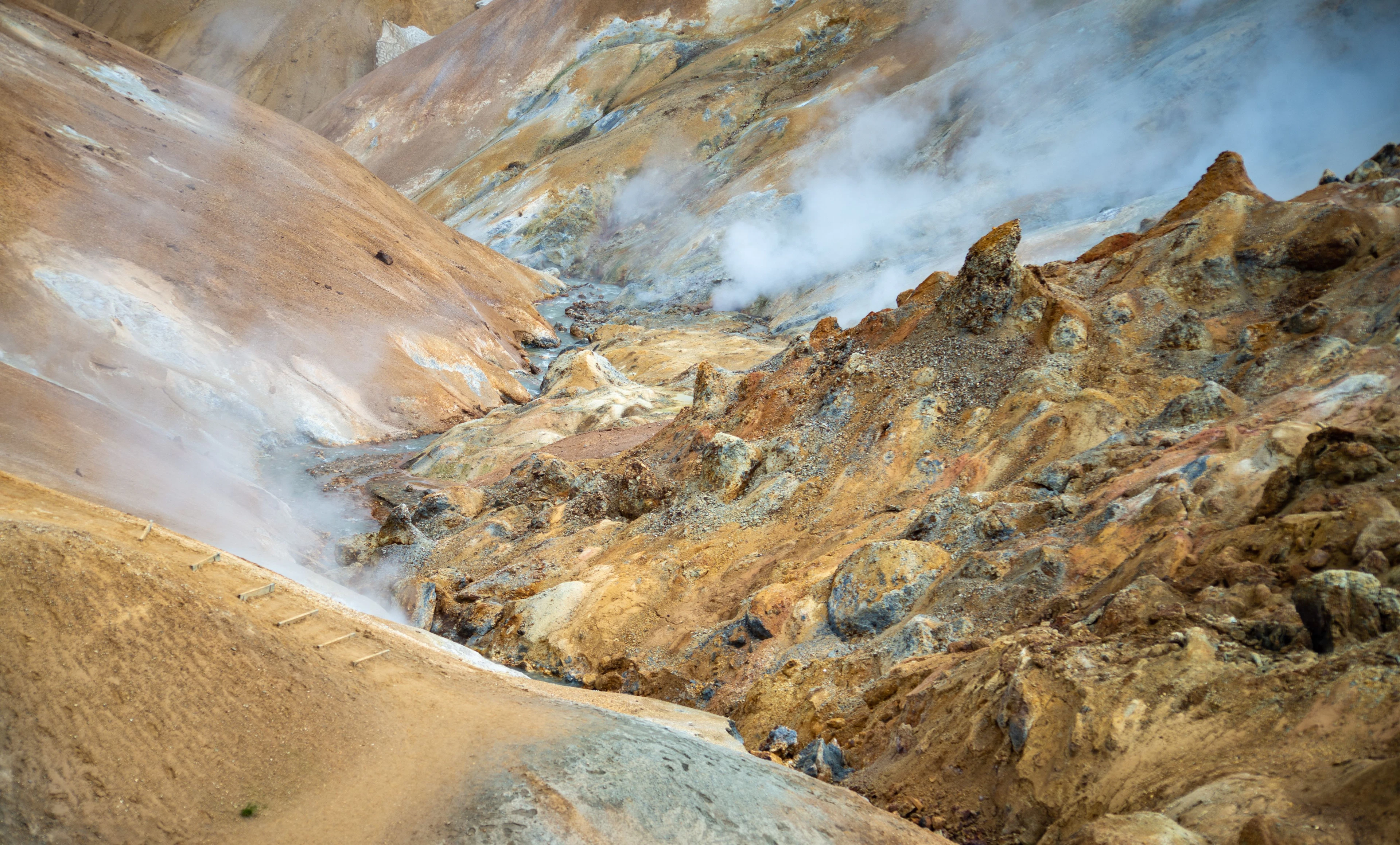
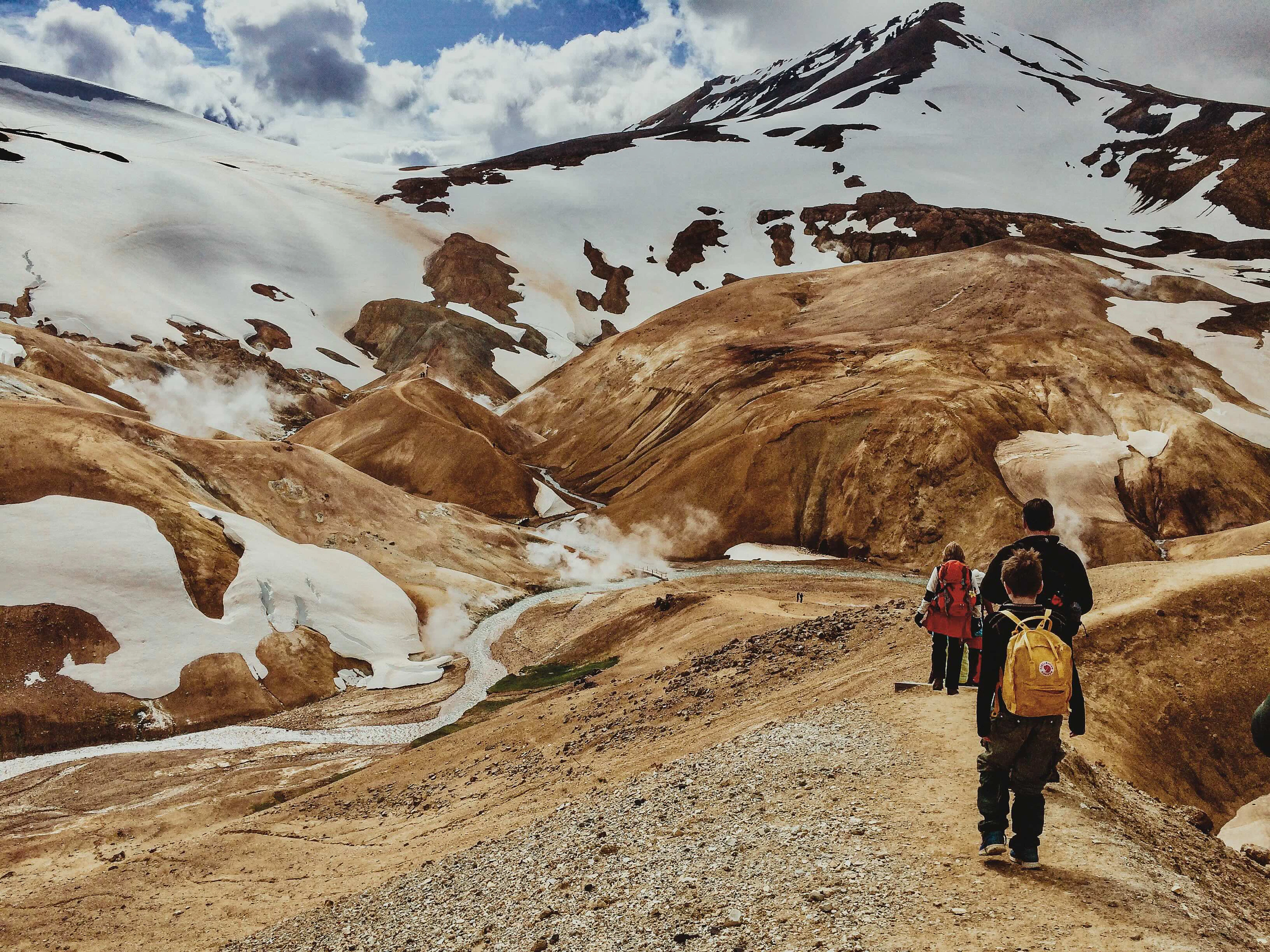
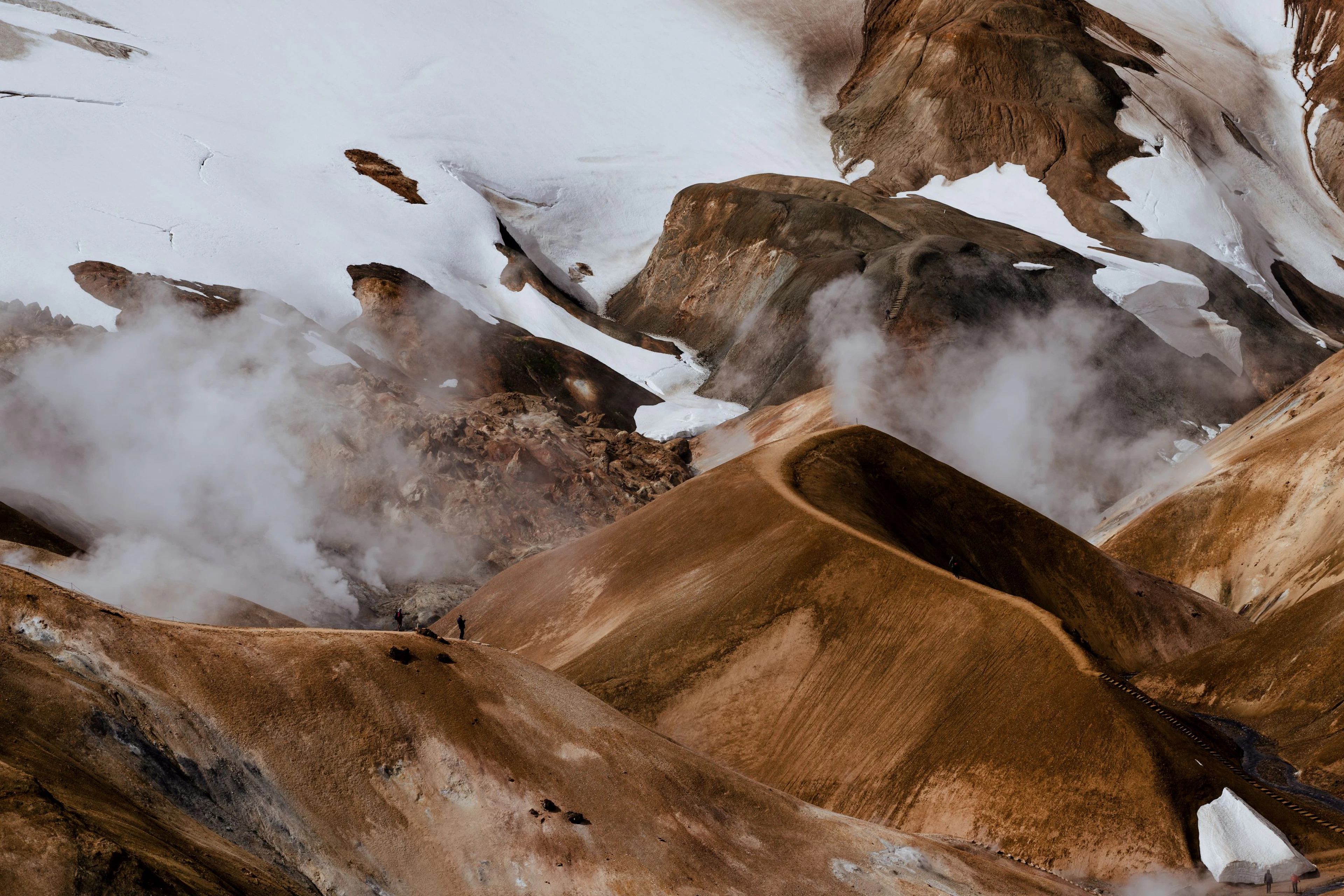
Although Highland Base in Kerlingarfjöll lies deep in the central highlands, far from any central heating infrastructure, its geothermal activity makes hot water surprisingly accessible. Kerlingarfjöll is home to Hveradalir, one of Iceland’s hottest geothermal areas, and while the hot springs and fumaroles are far too hot to bathe in, the proximity to this geothermal richness makes access to naturally heated water feasible.
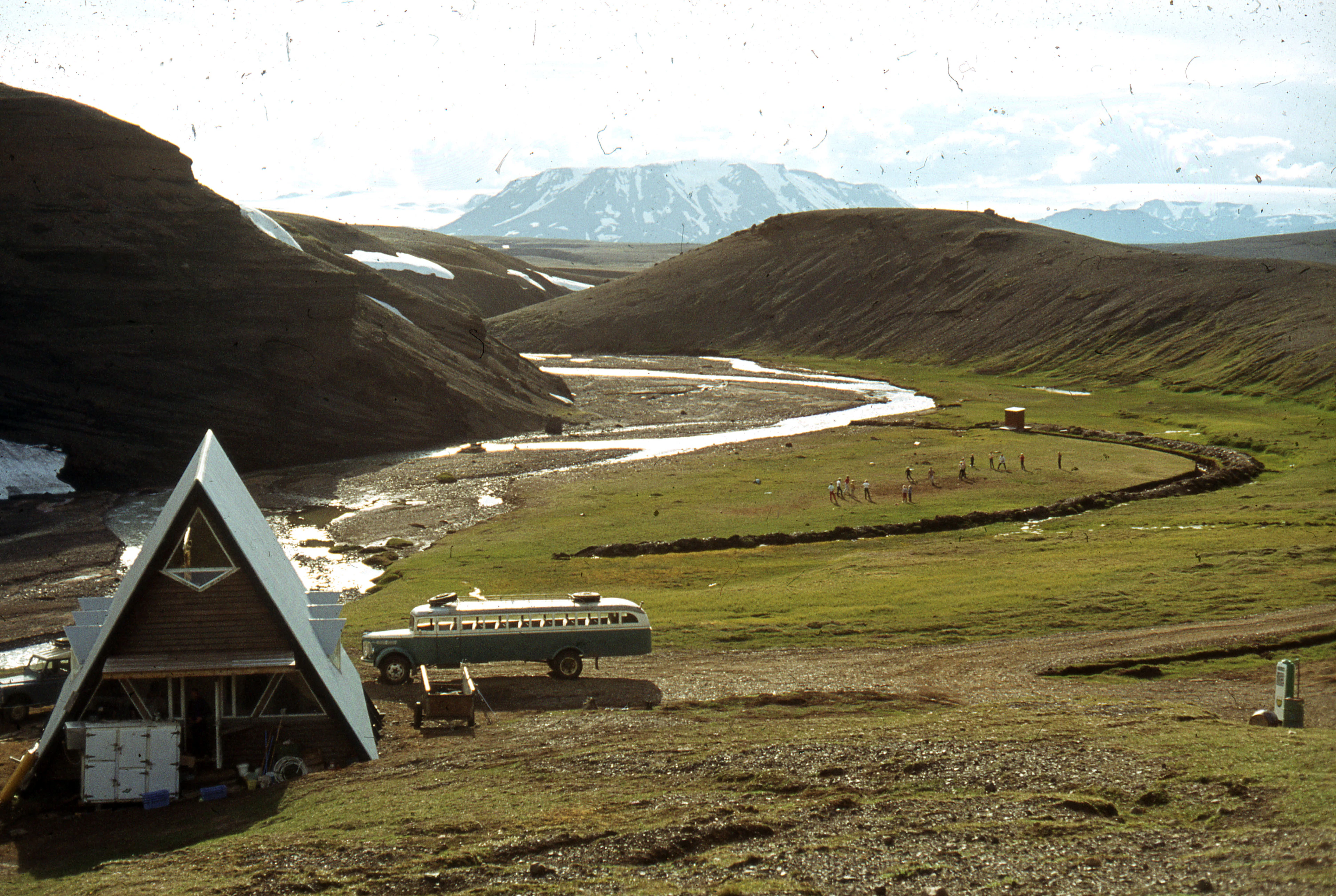
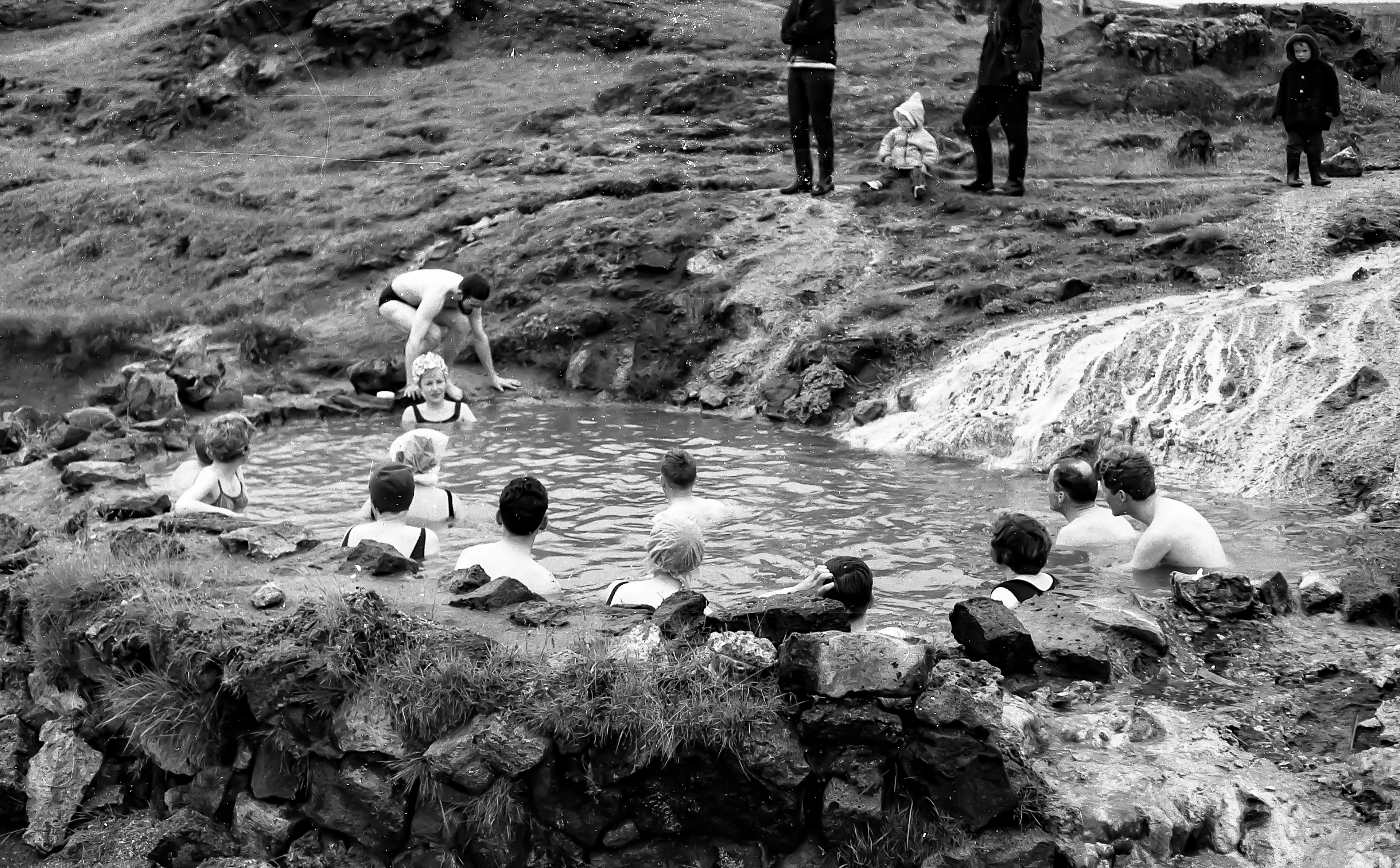
The Kerlingarfjöll area's bathing history dates back to the ski-school era, when skiers started bathing in a borehole bath in the Ásgarður gorge in the 60s.
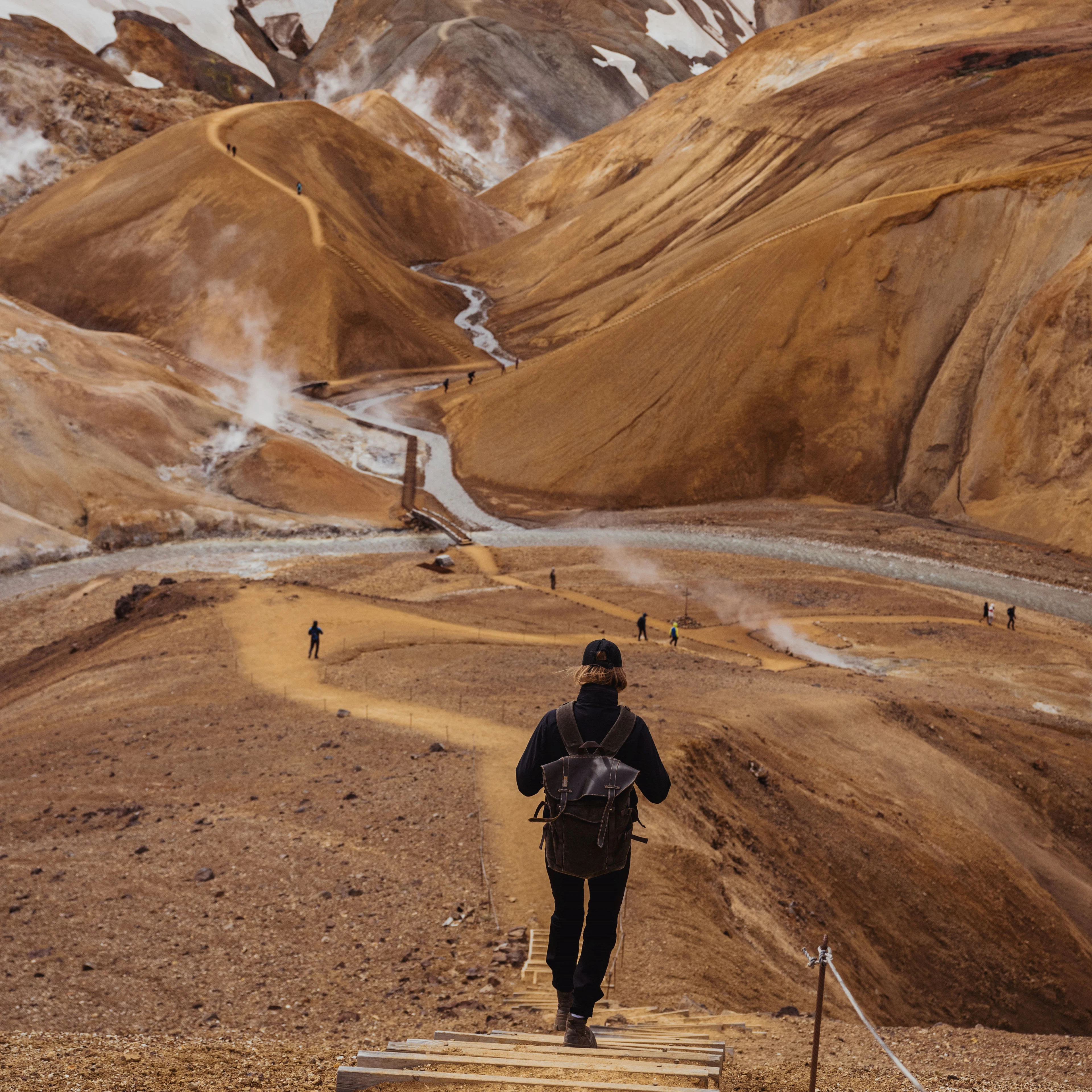
Outdoor activities like skiing and hiking have long been paired with hot bathing in Iceland, not only for physical recovery but also as a social ritual. In Kerlingarfjöll, where the highland elements are rugged and demanding, the contrast of warm geothermal water after a cold day outdoors is an essential part of the experience—soothing the sore muscles, warming the body, and gathering with others.
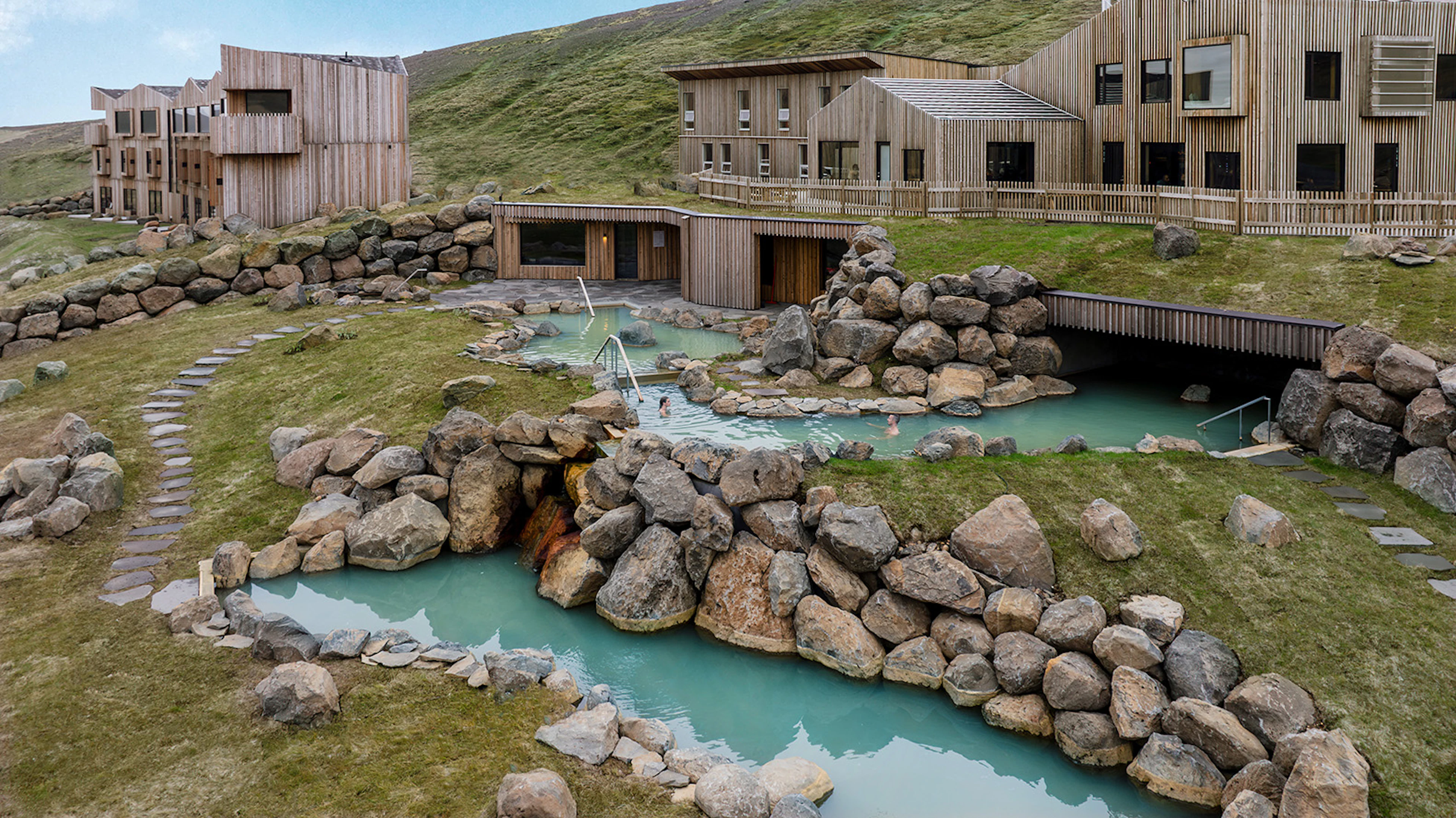
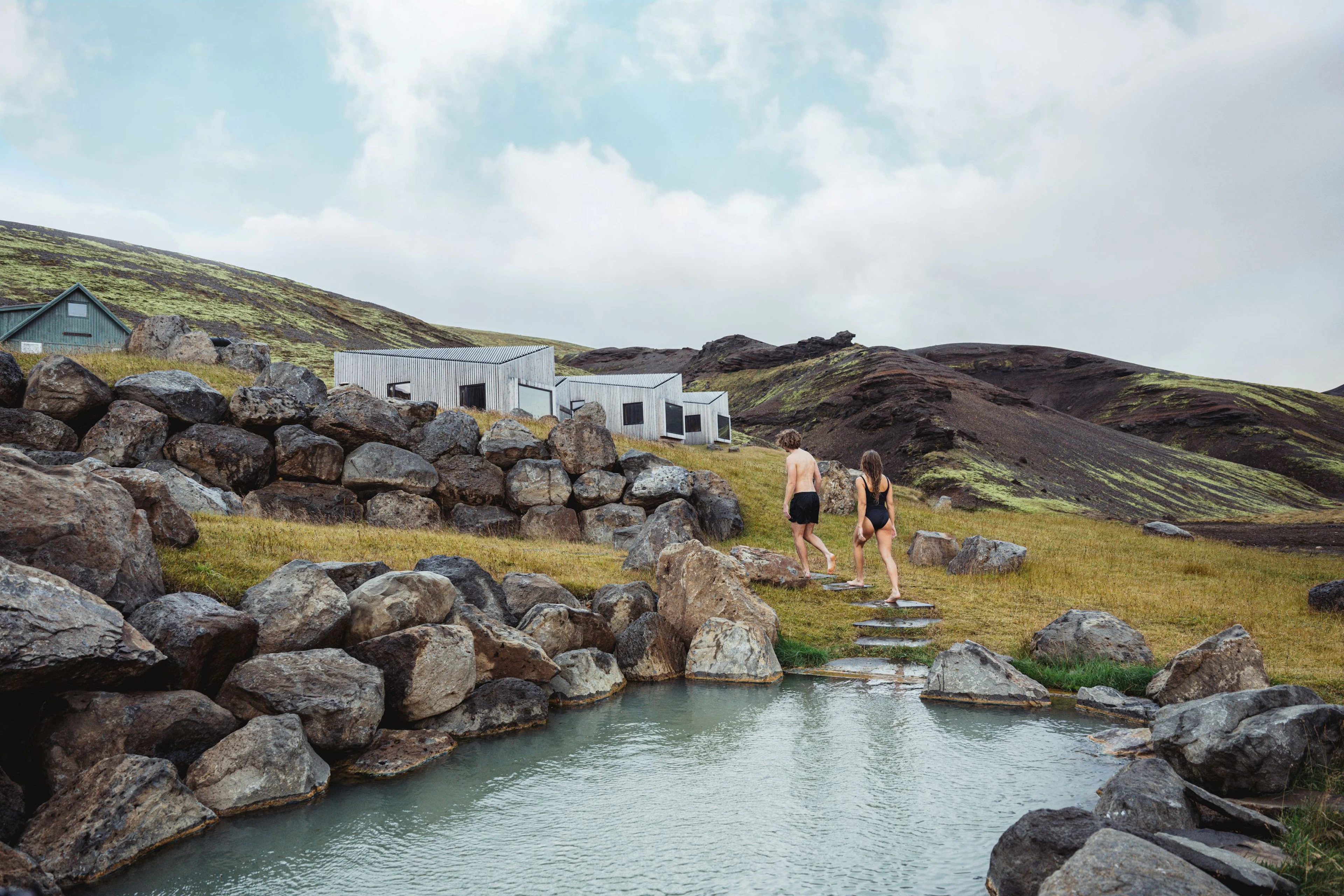
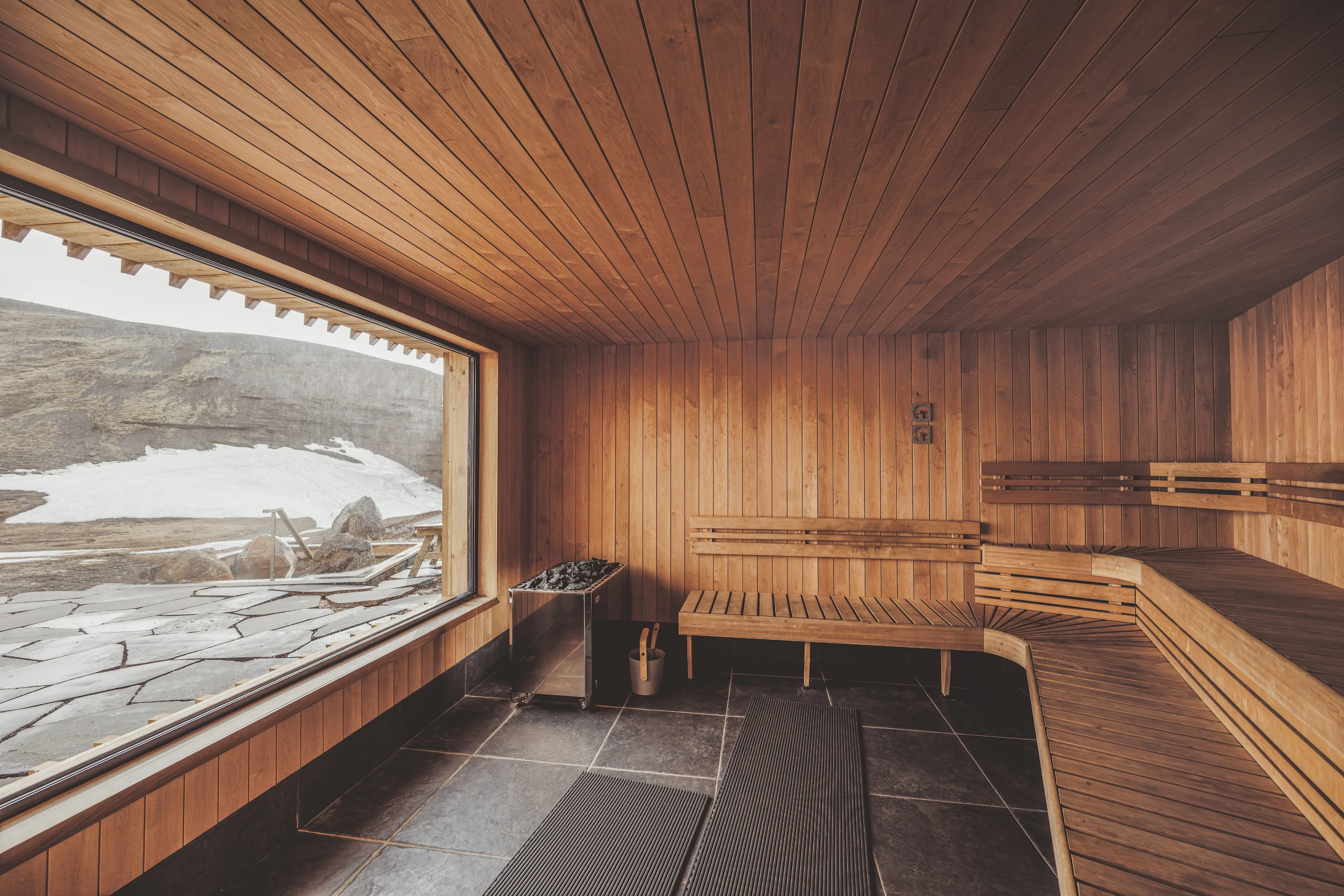
Today, the Highland Baths have become the primary bathing spot in Kerlingarfjöll, though the original baths can still be reached with a short hike into the Ásgarður gorge. The Highland Baths feature a steaming pool, a cold plunge, a sauna, and a bar where you can order refreshing drinks to enjoy while you soak, as well as changing rooms. The setting is warm, inviting, and perfectly complements the natural surroundings.
The water
The water found in the Highland Baths is mineral water, drawn from beneath the earth, close to nearby geothermal fields, and brought to the surface in Ásgarður valley. The water is free from added chemicals like chlorine and rich in carbonate and iron, which can sometimes give the water a reddish-brown color. The water's pH level is low and comparable to that of freshwater, which is considered beneficial for the skin, offering fewer instances of irritation or dryness compared to water with higher acidity.
Contrast bathing and modern wellness
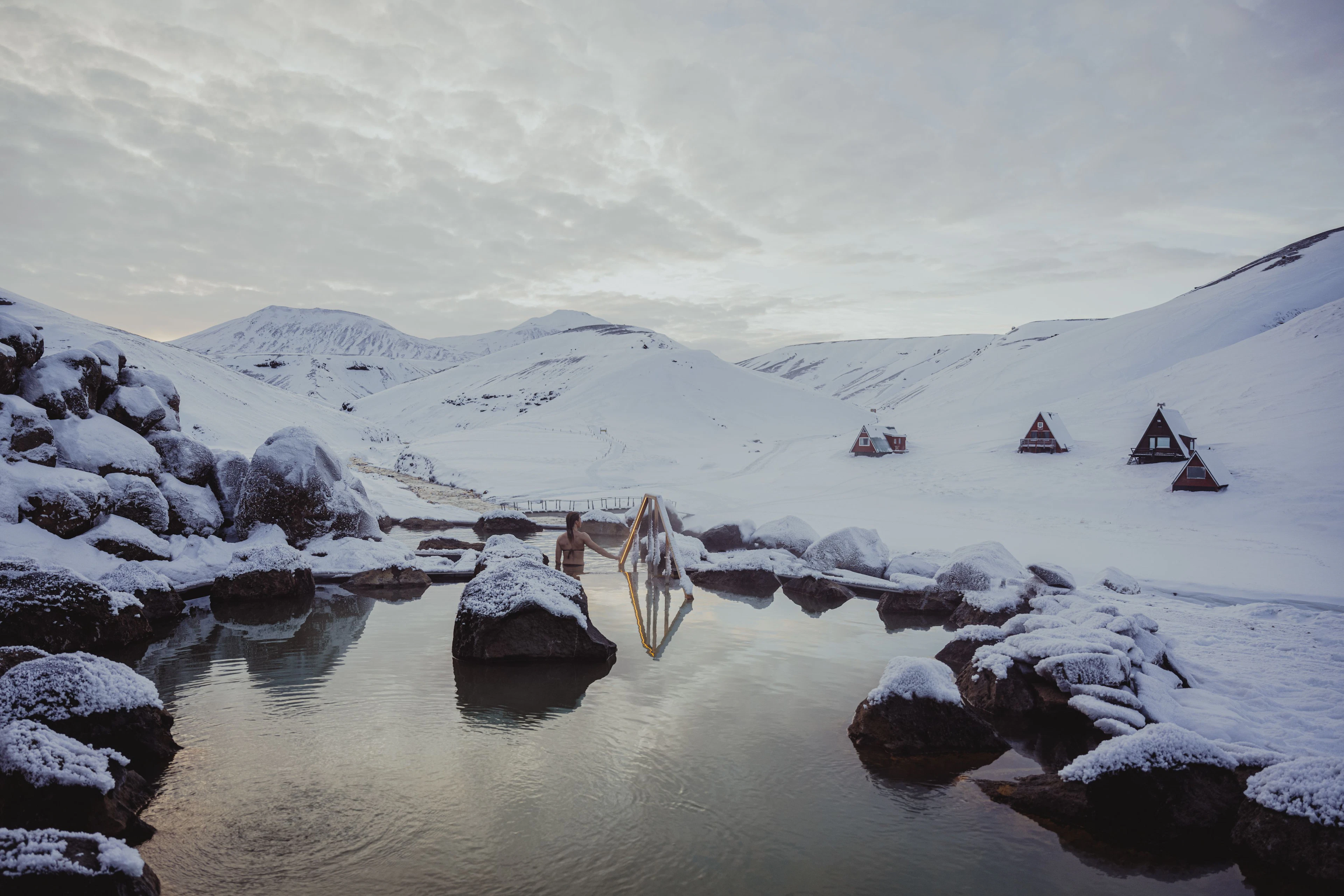
The rising popularity of contrast bathing, alternating between hot pools, saunas, and cold plunges, reflects a growing appreciation for ancient Nordic practices that connect body and nature. In Iceland and other Nordic countries, this ritual has long been embraced for its effects on circulation, immune function, and mental clarity.
This elemental interplay between hot and cold doesn’t just offer physical benefits; it awakens the senses and grounds you in the environment. In the highlands, where the air is crisp and the landscape dramatic, it creates a full-body connection to the land, a practice rooted in Nordic heritage but resonating deeply with modern wellness seekers.
Staying in the highlands
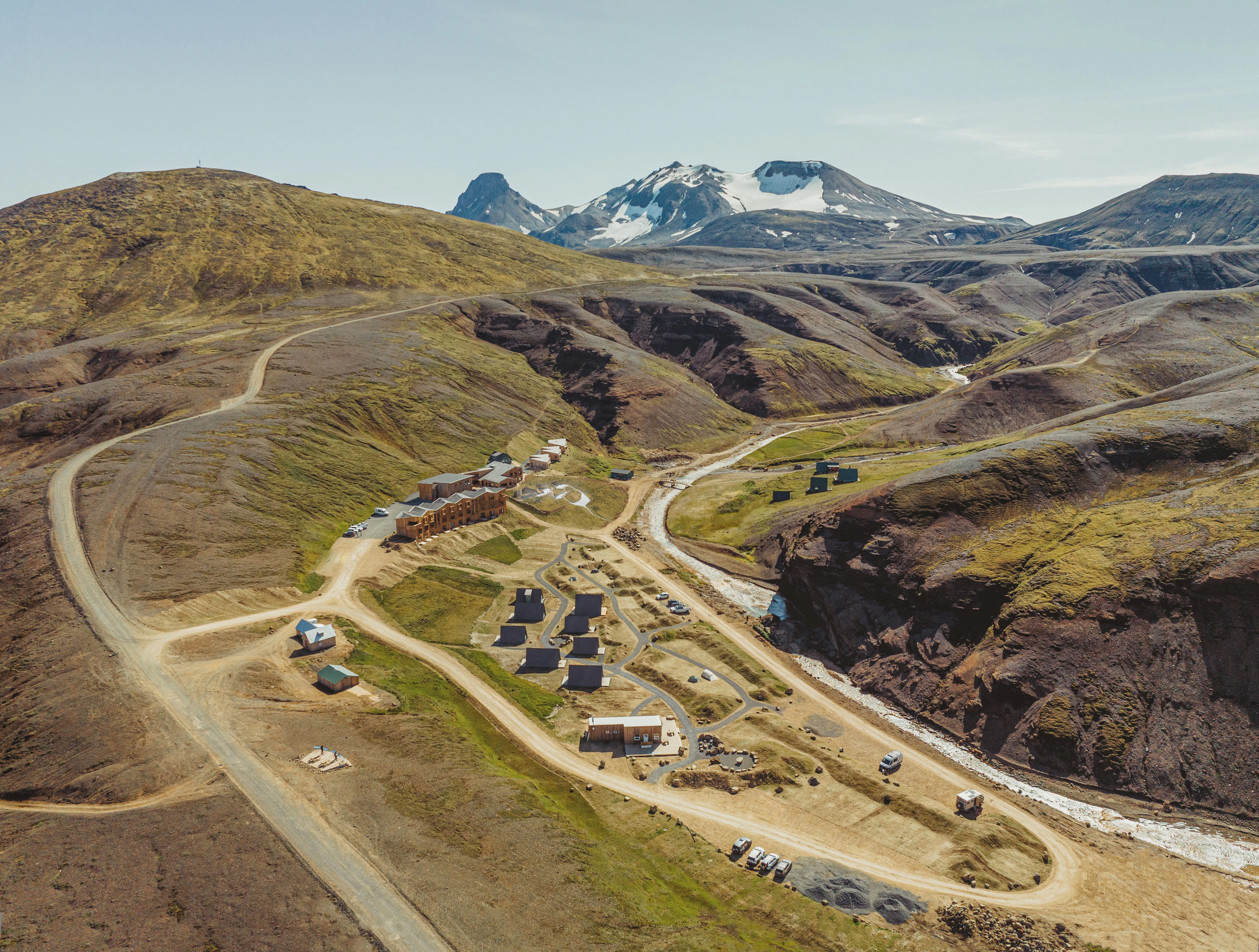
Nestled in the remote Ásgarður Valley, the Highland Baths are part of Highland Base, a warm and inviting hospitality haven in the heart of the highlands. This unique destination offers a range of accommodations, including private lodges, a hotel, cozy huts, and a riverside campground. Guests can also enjoy comforting bistro-style cuisine at the on-site restaurant. At the center of it all are the Highland Baths, making Highland Base an oasis of relaxation and renewal, perfectly suited as a basecamp for adventures, from scenic hikes to challenging ski tours.